Common Travel Mistakes U.S. Citizens Make All the Time
If you're planning an international trip, here’s what you need to know to ensure a smooth, safe journey.
Max from MaxMilesPoints recently shared some critical tips on international travel safety after being invited by the U.S. government to Washington, D.C. to learn about common mistakes U.S. citizens make regarding their passports and travel security.
Are you guilty of any of these? Let's find out:
1. Check Your Passport Before Booking
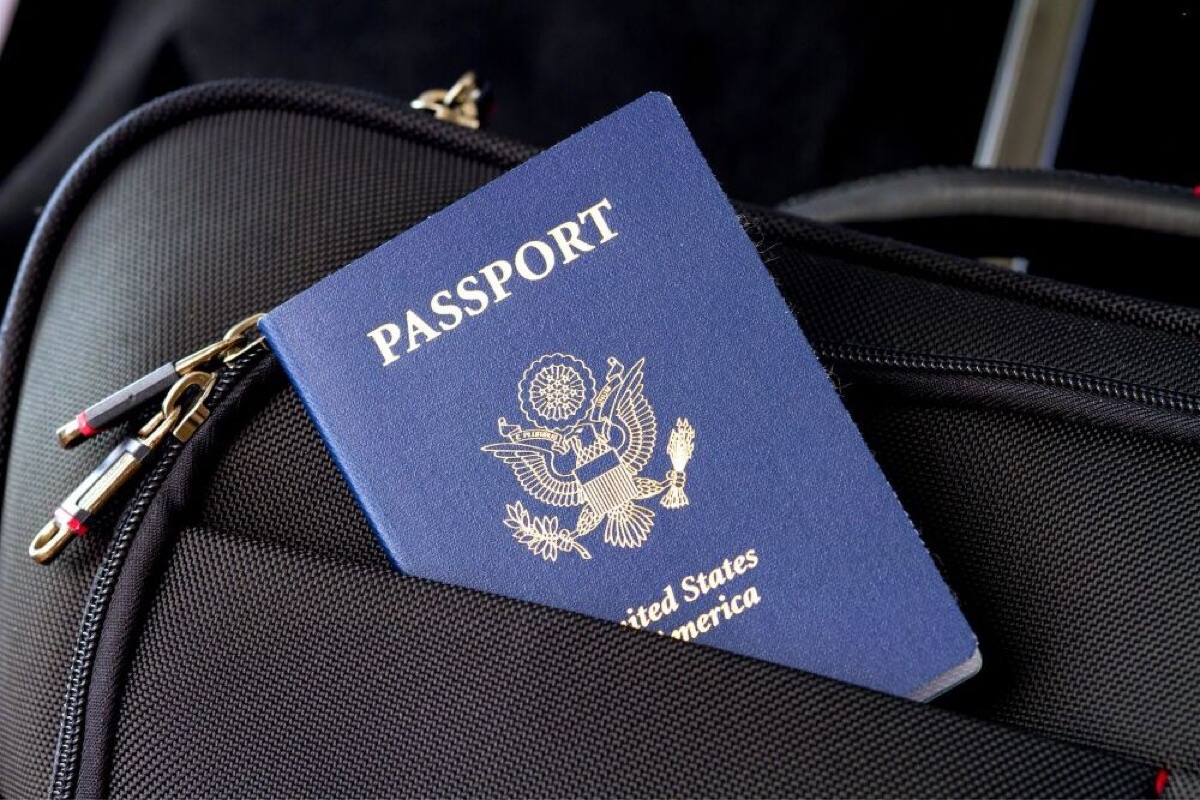
One of the most important steps before booking international travel is checking your passport. Max emphasizes the need to:
- Locate your passport: Know exactly where it is before planning your trip.
- Verify its condition: Ensure it’s in good physical shape without damage.
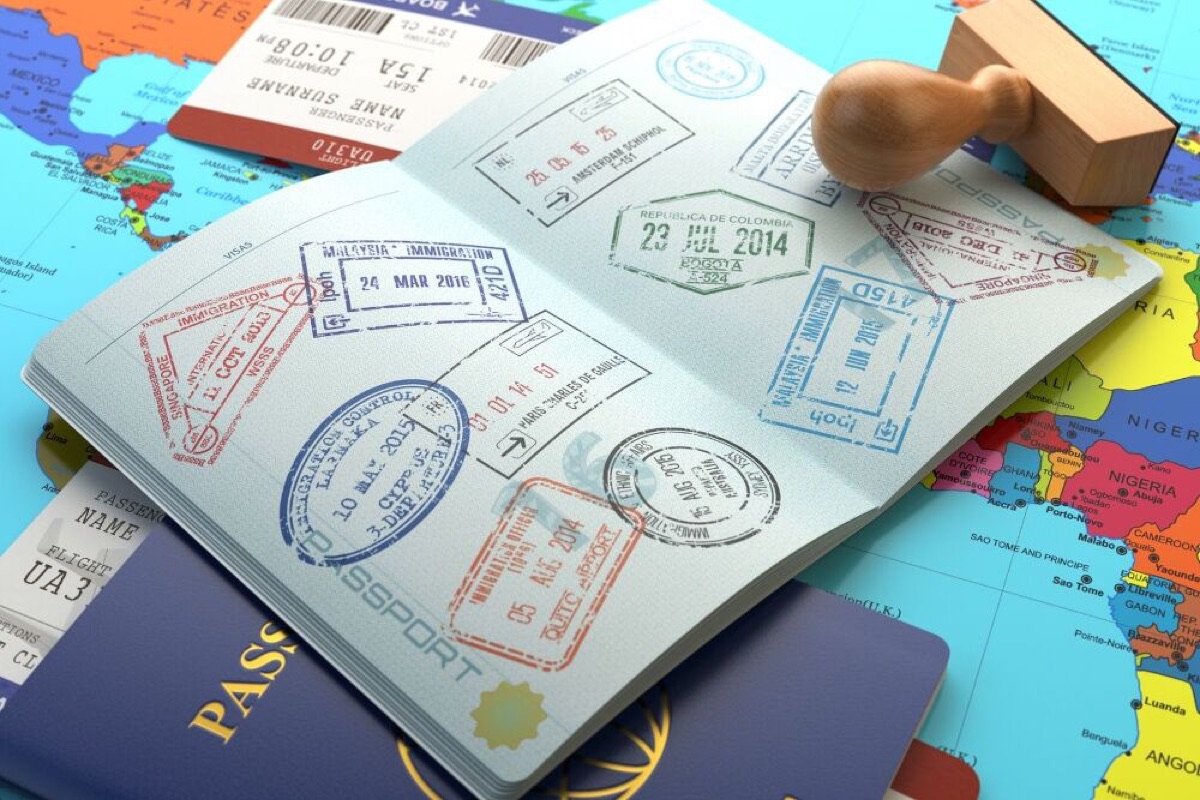
- Check for blank pages: Some countries require one or more blank pages for entry stamps.
- Review the expiration date: Many countries won’t allow entry if your passport is close to expiring. It’s essential to check and renew if necessary.
2. Visit Travel.State.Gov for Official Information
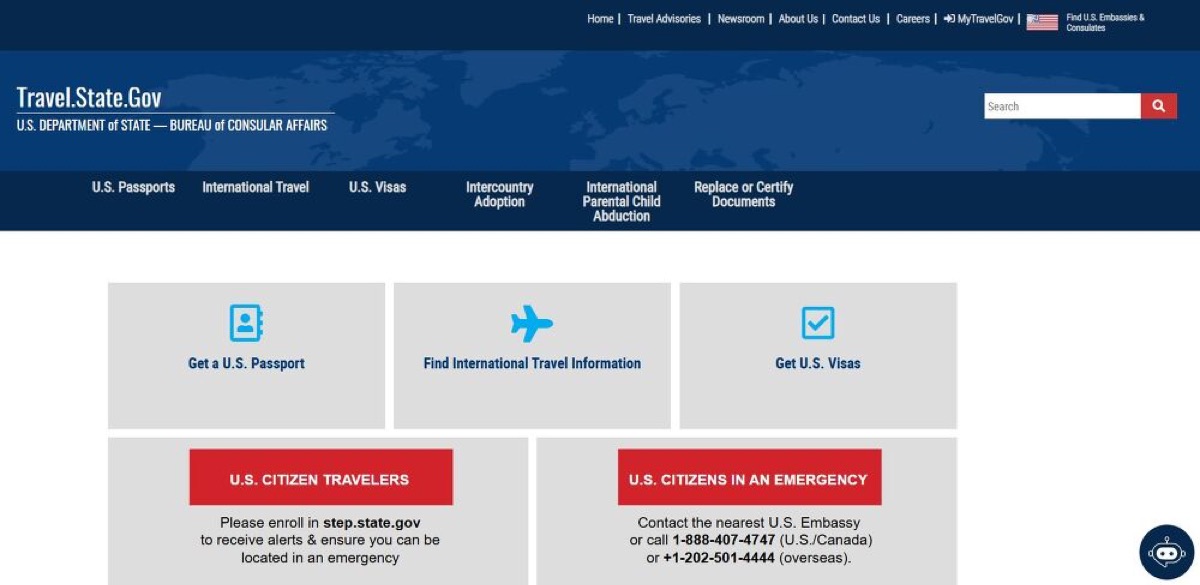
Before traveling abroad, Max recommends visiting travel.state.gov, which provides comprehensive information about various aspects of international travel.
Here’s what you can find:
- Entry, Visa, and Exit Requirements: Every country has specific rules for entry and exit. Make sure you’re aware of visa requirements and any documentation you’ll need.
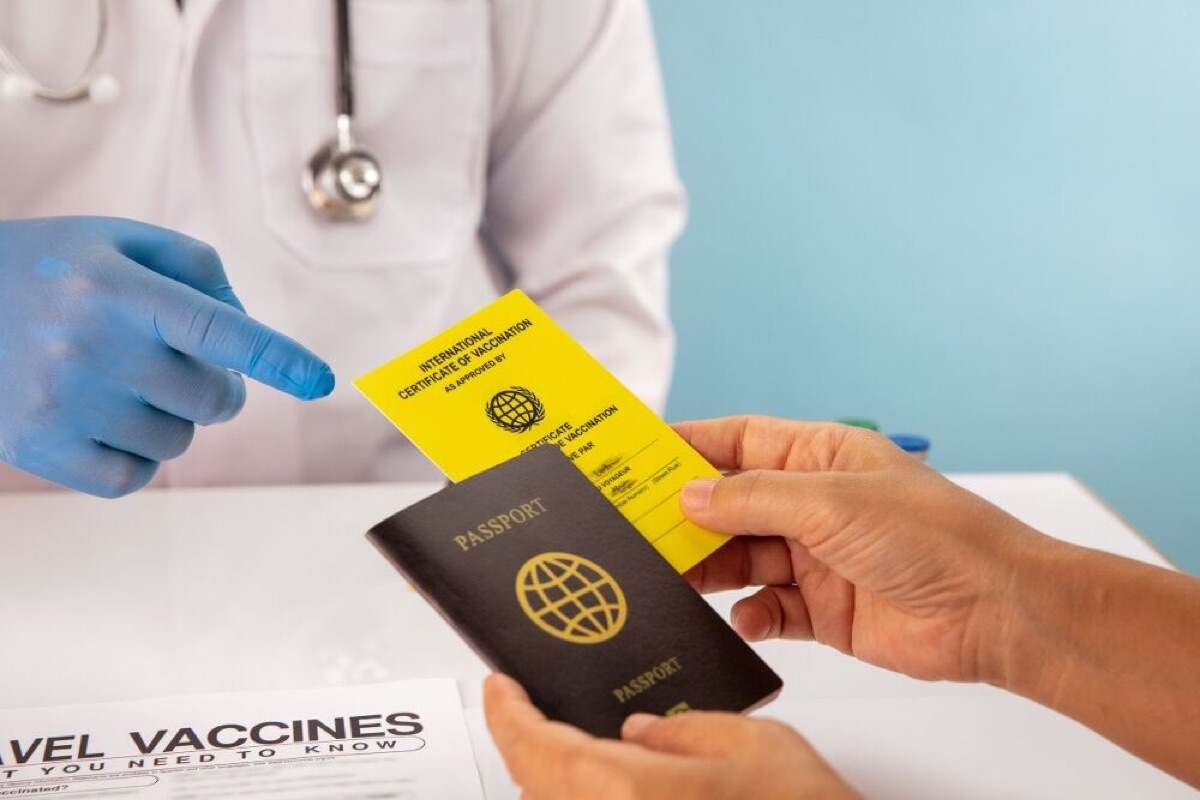
- Health and Safety Concerns: Stay informed about potential health risks and safety advisories for your destination.
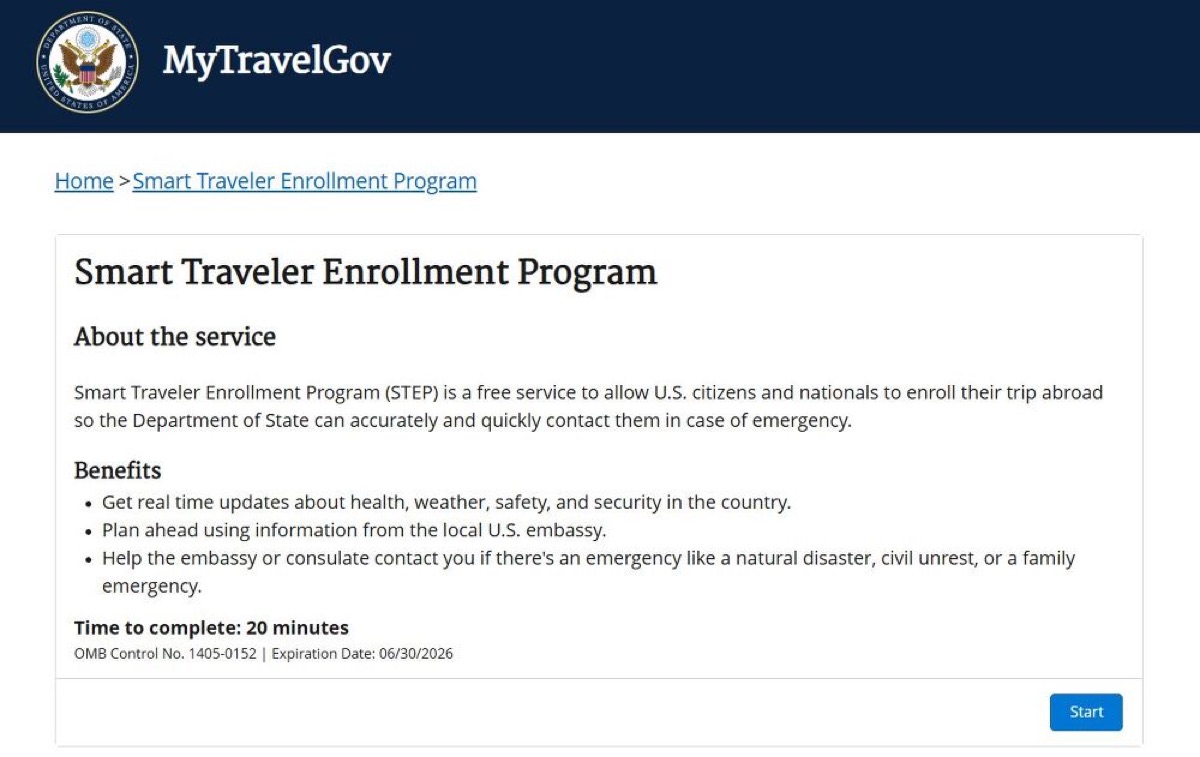
- STEP Registration: The Smart Traveler Enrollment Program (STEP) is a free service that allows U.S. citizens to receive important updates about safety and security in the countries they are traveling to. Once enrolled, you’ll get real-time notifications via text or email if any concerns arise in your destination.
- Embassy and Consulate Information: If you lose your passport or need help, knowing where the nearest U.S. embassy or consulate is located can be a lifesaver. This information is readily available on the website.

- Local Laws and Customs: Understand the local laws and customs of your destination to avoid any legal issues while abroad.

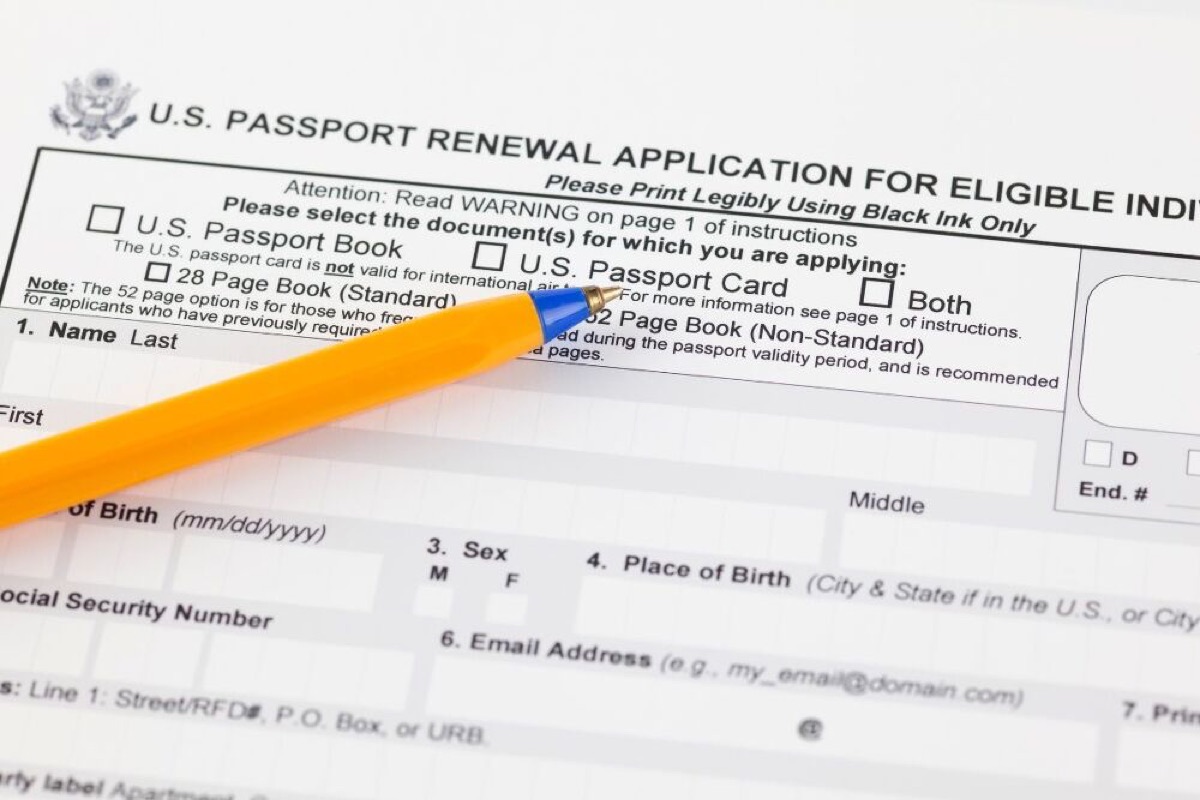
- Passport Application and Renewal Information: The site also provides official guidelines on applying for or renewing your passport, ensuring you have the right documents and meet deadlines.
3. Be Cautious of Travel Advisory Levels
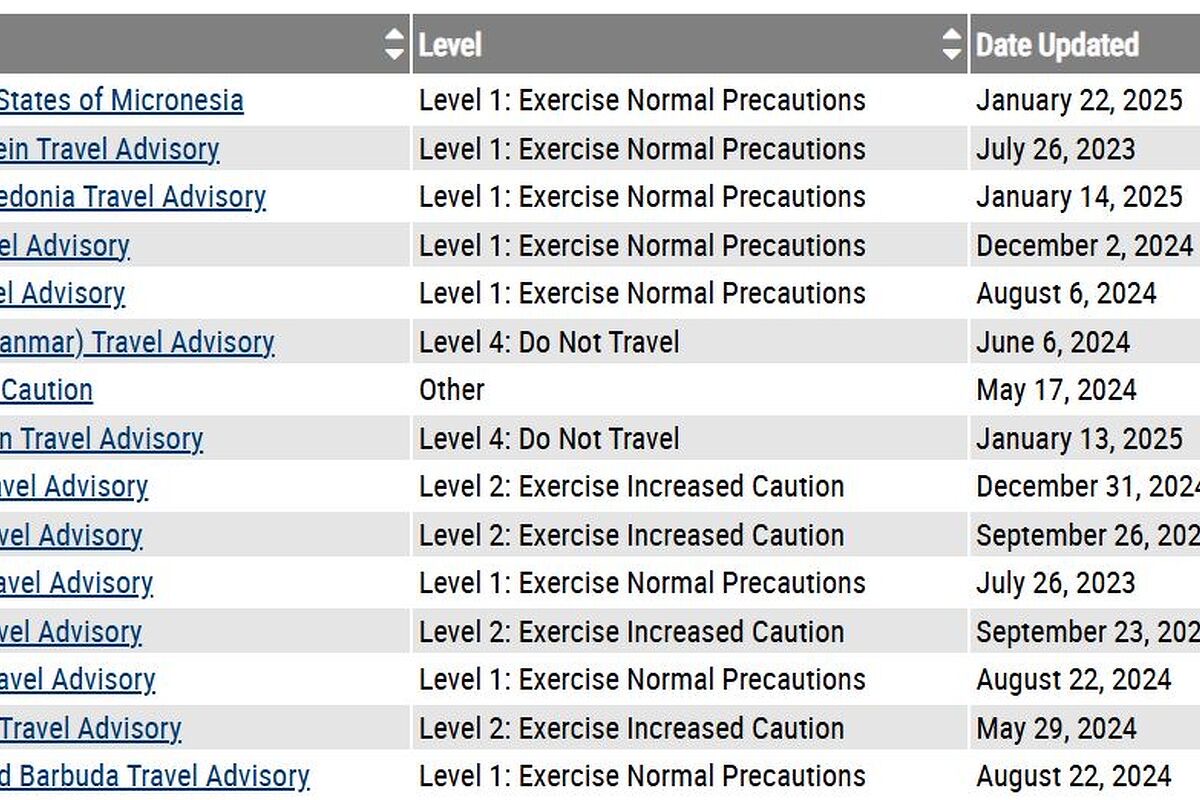
The website features a travel advisory system, color-coded by risk level. Countries marked in red (Level 4) are designated as "Do Not Travel" due to safety concerns. It's essential to review these advisories before planning your trip to avoid dangerous situations.
4. Be a Happy Traveler
By utilizing the resources on travel.state.gov, you can travel with peace of mind, knowing you’ve taken all the necessary precautions.
Do you use travel.state.gov to plan your trips? Let us know in the comments below.
Pin this post for later:

Writes about road trips and national parks.