The Truth Behind the Cruise Brochures: 5 Things They Don’t Tell You
Glossy cruise brochures and enticing advertisements promise carefree, trouble-free vacations at sea. But the reality behind the scenes is often more complex—and not always shared upfront by cruise lines.
Gary Bembridge, seasoned cruise expert and host of Tips for Travellers, lifts the curtain on five unspoken truths every cruiser should know before setting sail. From who's really running the ship to surprising contract clauses, these insights could change the way you cruise forever.
1. Not Everything Is Run by the Cruise Line
Most passengers assume that every aspect of their cruise experience is operated by the cruise line itself. However, many onboard facilities are actually outsourced to third-party contractors, and that has big implications for travelers.
For example, many cruise ship medical centres aren’t staffed by the cruise line’s own team. Companies like Vikand, Vanter Cruise Health Services, and Marine Medical Solutions often operate these facilities.
While major cruise groups such as Carnival, Royal Caribbean, and Norwegian Cruise Line typically run their own medical centers, others like Viking, Virgin Voyages, Disney, Azamara, and Crystal use outside providers.

The same goes for spas and fitness centers, which are frequently run by OneSpaWorld, serving over 21 cruise lines. Regardless of the branding—whether it’s Mandara Spa or Lotus Spa—the aggressive upselling passengers experience comes from commission-based employees working for a third-party company.
Onboard retail shops are also largely outsourced. Brands like Starboard Cruise Services (owned by LVMH) and Harding+ run shops on most major cruise lines, including Celebrity, Cunard, Princess, and P&O.
Similarly, photographers, port shopping guides, and even art auctioneers like Park West and Claredon Fine Art are not cruise line employees. These third-party workers earn income primarily through commissions, which explains the persistent sales pitches guests encounter.

2. You’re Always Being Watched
Surveillance is extensive on cruise ships. From public corridors to lounges and decks, CCTV cameras are virtually everywhere. The only places off-limits to cameras are typically your cabin, restrooms, and spa changing areas.
Many cruise lines also use facial recognition technology. That photo taken at embarkation? It’s used to match you in onboard pictures, track your comings and goings, and even identify you in security incidents.

Lines like Princess Cruises go further with wearable devices like the Princess Medallion, which not only unlocks your cabin and handles payments but tracks your location and displays your name and image to crew members for a “personalized” service.
While this may enhance convenience, it also means constant tracking—something many cruisers aren’t aware of. And yes, your balcony may be visible to nearby cameras, so think twice before indulging in private sunbathing sessions.
3. Missing Man Overboard Systems
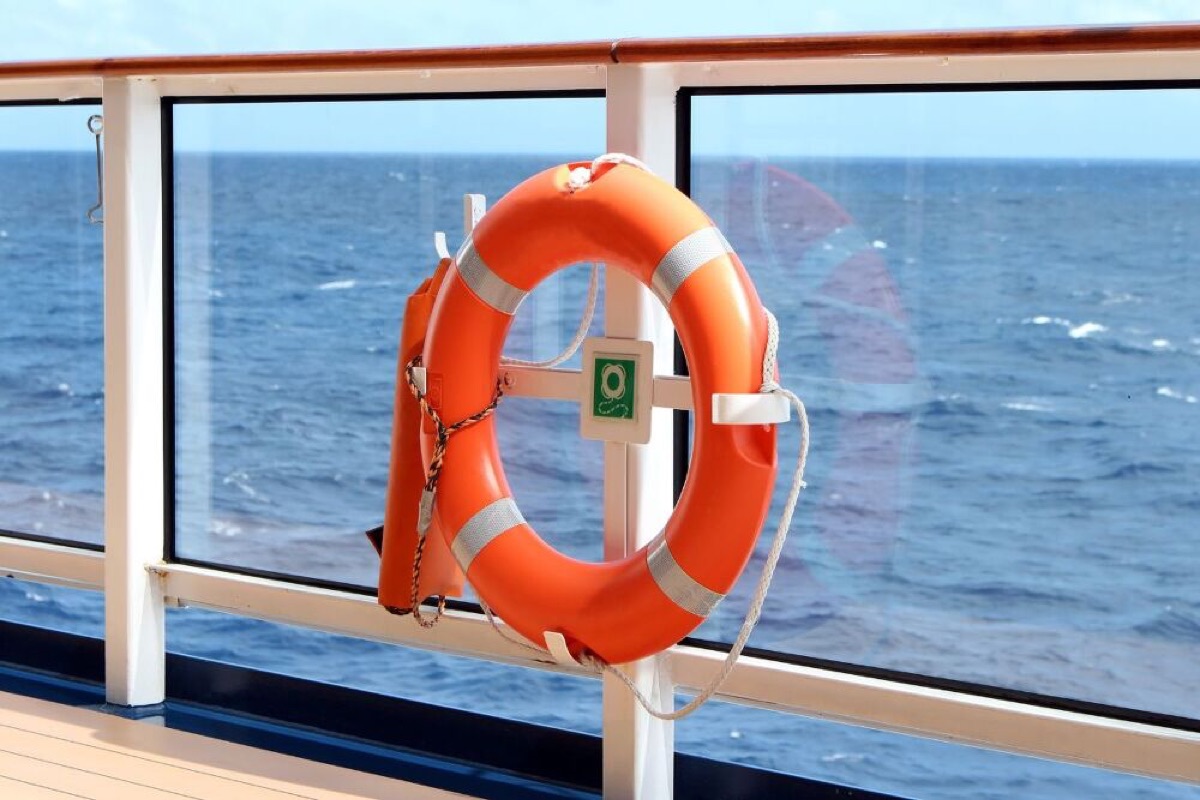
Despite the high-tech surveillance, very few ships have Man Overboard Detection Systems, which use thermal cameras and radar to instantly alert crew when someone falls overboard.
According to MARSS (makers of the MOBtronic system), installation costs around $200,000 per ship. As of the most recent reports, only 30 cruise ships, mostly from Carnival and Disney, have these systems—out of over 300 ships sailing globally.

Without these systems, lines rely on reports from passengers or crew and review of CCTV footage, often delaying rescue efforts. Yet with 19–25 people going overboard annually, this is a glaring safety gap cruise lines are hesitant to address publicly.

4. Booking Terms Vary by Country
Surprisingly, passengers receive different pricing, perks, and terms based on where they live. For instance, U.S. residents often benefit from refundable deposits, while U.K. residents rarely have that option.
Similarly, U.S. guests booking Cunard’s Queens Grill Suites often have drinks packages included, while guests from other countries do not. Australians booking Viking may have gratuities included, in line with their tipping norms.
Even payment timelines differ—U.K. guests may pay the final balance closer to sailing, whereas Americans might be asked for full payment a year in advance.
And due to regional restrictions, passengers are usually only allowed to book with agents in their own country, even if prices are better elsewhere due to exchange rates. These discrepancies are buried in the fine print and rarely highlighted.
5. Hidden Cruise Contract Surprises
When you book a cruise, you automatically agree to the cruise line’s terms and conditions, most of which are buried deep in the cruise contract.
These include clauses allowing the line to:
- Search your baggage, person, or cabin at any time.
- Confine you to your cabin or the ship’s brig without compensation—for health risks, suspected illness, or misconduct.
- Disembark you at your own cost at the captain’s discretion.
- Change itineraries and skip ports without offering compensation.
- Use your photo in marketing materials, while restricting your own photography or social media content.
Many lines reserve the right to ask guests to remove posts from social media—something Gary notes happened to a friend after she posted a critical review of a maiden voyage.
And in a surprising revelation, Gary learned from a cruise officer that crew members can be paid differently for the same job depending on their country of origin—something cruise lines rarely disclose.

Final Thoughts from Gary
While cruising remains a fantastic way to travel, understanding what the brochures don’t tell you is crucial to making informed decisions.
From outsourced services to surveillance, contract clauses to booking disparities—being in the know helps you avoid surprises and advocate for your own experience.

Writes about road trips and national parks.